Measuring Value
Outcome-Driven Value
Value is a perceptual measure and is complex since there are temporal aspects and a multitude of functional, emotional, and (sometimes) spiritual elements that come into play for a given scenario (for each individual). The problem organizations have with measuring value is that IT IS HARD!
So, they tend to look for “trends” or common patterns amongst sets of demographics (the bigger the demographic slice, the better) since they are looking to scale their value creation & value delivery capabilities. The problem we’re seeing with shorter cycle times and increasingly diffuse value perceptions is that the industrial model (used to scale value creation & delivery) is becoming increasingly irrelevant. Hence the increase in marketing spend and “innovation” to find the next “big thing”.
“According to Harvard Business School professor Clayton Christensen, there are over 30,000 new products introduced every year, and 95 percent fail.”
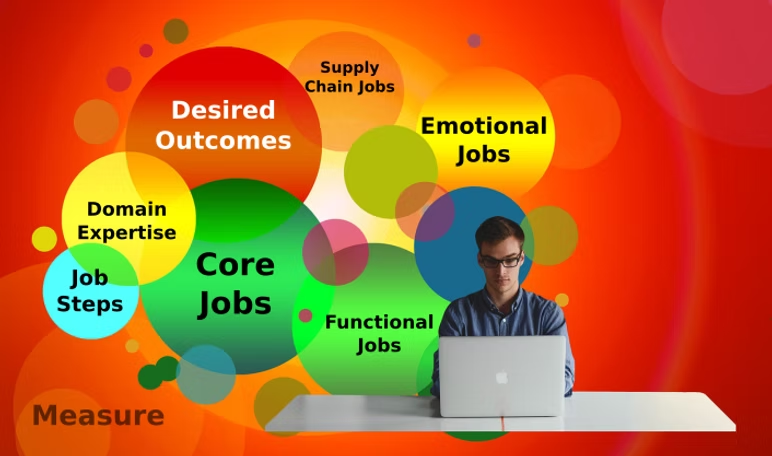
The good news is that The Value Enablement Group provides a proven discipline and process for capturing key elements of value (functional, emotional, directional, and contextual). These form a reference model for measuring value for any market (regardless of size) and for any scenario (when a service or product needs to be consumed). This reference model is built atop the work from Clayton Christensen (Harvard Prof.) on the Job to Get Done so we can build a consistent way to measure value to guide value creation and ensure the right value is delivered for all stakeholders.